


Bachelor of Business Administration – Economics
The Economics Major program at Thompson Rivers University introduces students to the core body of knowledge in the discipline. In addition, students improve their abilities to conduct pricing, cost-benefit and program analysis, forecasting and industry analysis.
Duration
4 years
Starting Date
January, September
Tuition Fee
C$ 14,639 per semester
Location
Kamloops, Canada
About the program
For those students wanting only an exposure to economics, an Economics Minor is also available at Thompson Rivers University.
They learn how economies interact which aids in all facets of business decision making. Finally, they learn to analyze the economics of the regulatory process and the reaction of businesses to the regulatory environment. Emphasis is placed on the application of basic economic tools to policy areas.
By using different economic tools, you’ll learn to see trends and patterns that can be turned into opportunities. Turn those discoveries into forecasts and recommendations that can help organizations make money, save money, move forward and even change the world.
Upon completion of this Economics Major program at Thompson Rivers University, students will be able to:
- Discuss the theories and principles of microeconomics including trade and comparative advantage, the functioning of markets, consumer theory, uncertainty and risk, production and costs, market structure under varying competitive conditions, price theory, public good provisions, externalities and other market failures, environmental protection, taxation and welfare economics.
- Discuss the theories and principles of macroeconomics including economic fluctuations, growth and development; unemployment; inflation, interest rates, deficits and debt, balance of payments and exchange rates, fiscal, monetary and various other polices using economic growth models, aggregate demand and supply as well as other applicable models.
Careers
Because economists search for ways to best use scarce resources, they can be found in:
- Government, health care, law, natural resources, green industries, financial institutions, information and technology, product development, non-profits, think tanks, fitness and leisure, wellness, entertainment, education, agriculture, fashion, and more.
Courses Included
- Economics of Climate Change
- Public Finance
- International Economics
- Labour Economics
- Government and Business
- Community Economic Development
Other interesting programs
-
-
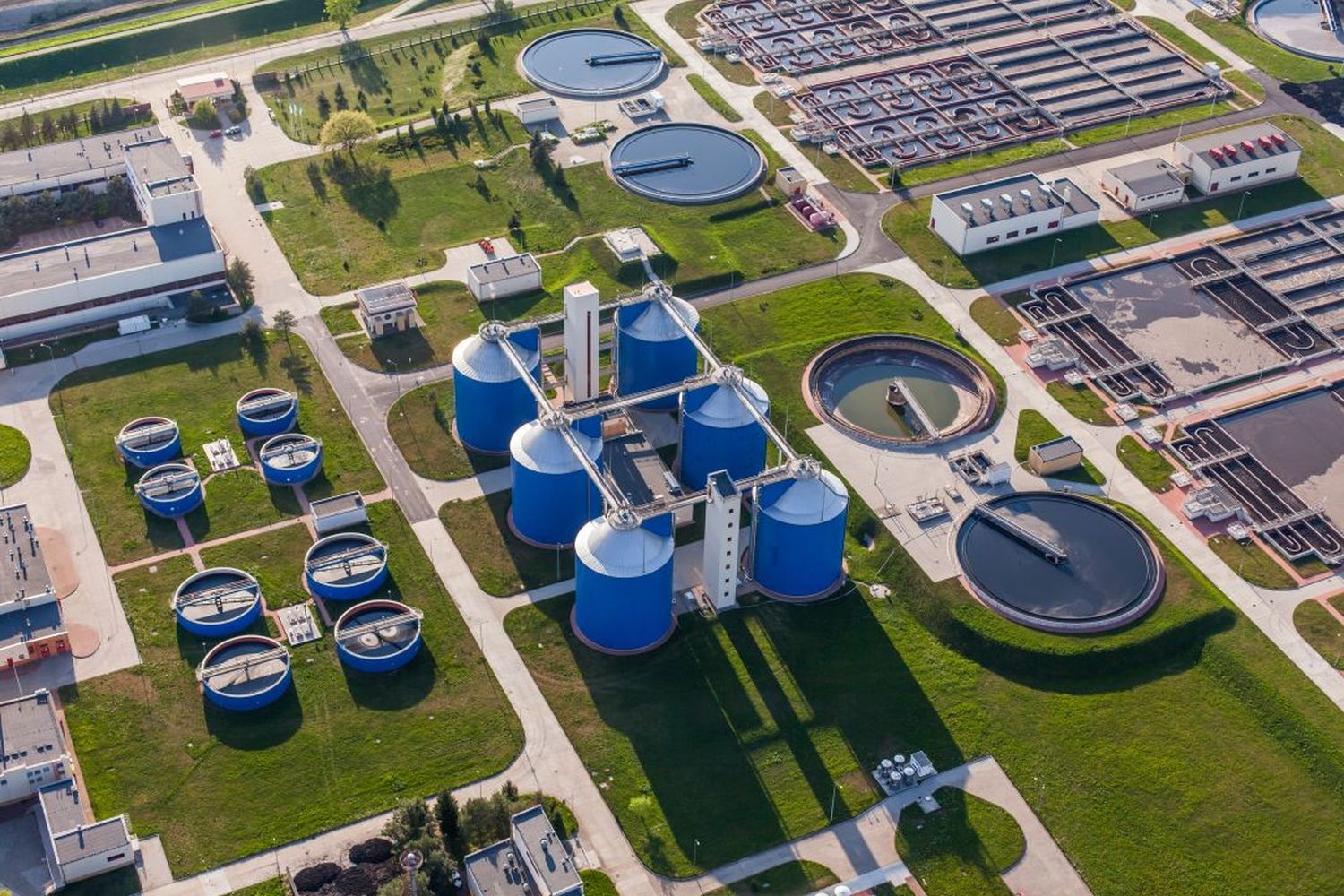
Water and Wastewater Technology Diploma
- This state-of-the art Water and Wastewater Technology at Thompson Rivers University encompasses chemistry, microbiology, mathematics, mechanical and electrical systems, instrumentation…
This state-of-the art Water and Wastewater Technology at Thompson Rivers University encompasses chemistry, microbiology, mathematics, mechanical and electrical systems, instrumentation and treatment technologies as they are applied in the increasingly vital water industry.
-
-
-

Tourism Management Diploma
- Students enrolled in the Bachelor of Tourism Management, who wish to exit the program upon completion of Year 2, can…
Students enrolled in the Bachelor of Tourism Management, who wish to exit the program upon completion of Year 2, can obtain a Tourism Management programme offered at Thompson Rivers University.
-
-
-

Sports Event Management Diploma
- Learn key business skills and develop the expertise to successfully plan, market and execute both small and large-scale events in…
Learn key business skills and develop the expertise to successfully plan, market and execute both small and large-scale events in the public, private and not-for-profit sectors in this Sport Event Management Diploma at Thompson Rivers University.
-
-
-

Resort and Hotel Management Diploma
- As a 60-year old field of study, resort and hotel management uses multiple perspectives to embrace complexities faced by the…
As a 60-year old field of study, resort and hotel management uses multiple perspectives to embrace complexities faced by the industry as it has evolved into the service and experience-based way we consume hospitality today. Learn more in the Resort and Hotel Management Diploma at Thompson Rivers University.
-
-
-

Management Diploma
- If you enjoy working with people and are a creative person with good communication skills, this the Management Diploma at…
If you enjoy working with people and are a creative person with good communication skills, this the Management Diploma at Thompson Rivers University could be for you.
-
-
-

Events and Conventions Management Diploma
- The Events and Conventions Management Diploma at Thompson Rivers University provides a practical overview of the functions, skills and knowledge…
The Events and Conventions Management Diploma at Thompson Rivers University provides a practical overview of the functions, skills and knowledge required to successfully plan, organize, manage, promote and evaluate a festival, convention, trade show or special event.
-
-
-

Early Childhood Education Diploma
- The Early Childhood Education Diploma program at Thompson Rivers University provides innovative opportunities for classroom-based research and hands-on field work…
The Early Childhood Education Diploma program at Thompson Rivers University provides innovative opportunities for classroom-based research and hands-on field work experience so students can acquire the teaching skills to become effective educators of young children.
-
-
-

Computing Science Diploma
- Become proficient in the application of computers to the solution of business-related problems with the Computing Science programme at Thompson…
Become proficient in the application of computers to the solution of business-related problems with the Computing Science programme at Thompson Rivers University.
-
-
-

Architectural and Engineering Technology Diploma
- Architectural and Engineering Technology at Thompson Rivers University emphasizes the design processes in building, civil and mechanical technologies, involving design…
Architectural and Engineering Technology at Thompson Rivers University emphasizes the design processes in building, civil and mechanical technologies, involving design projects for building structures, subdivisions, municipal services, and electrical, plumbing, lighting and HVAC systems.
-
-
-
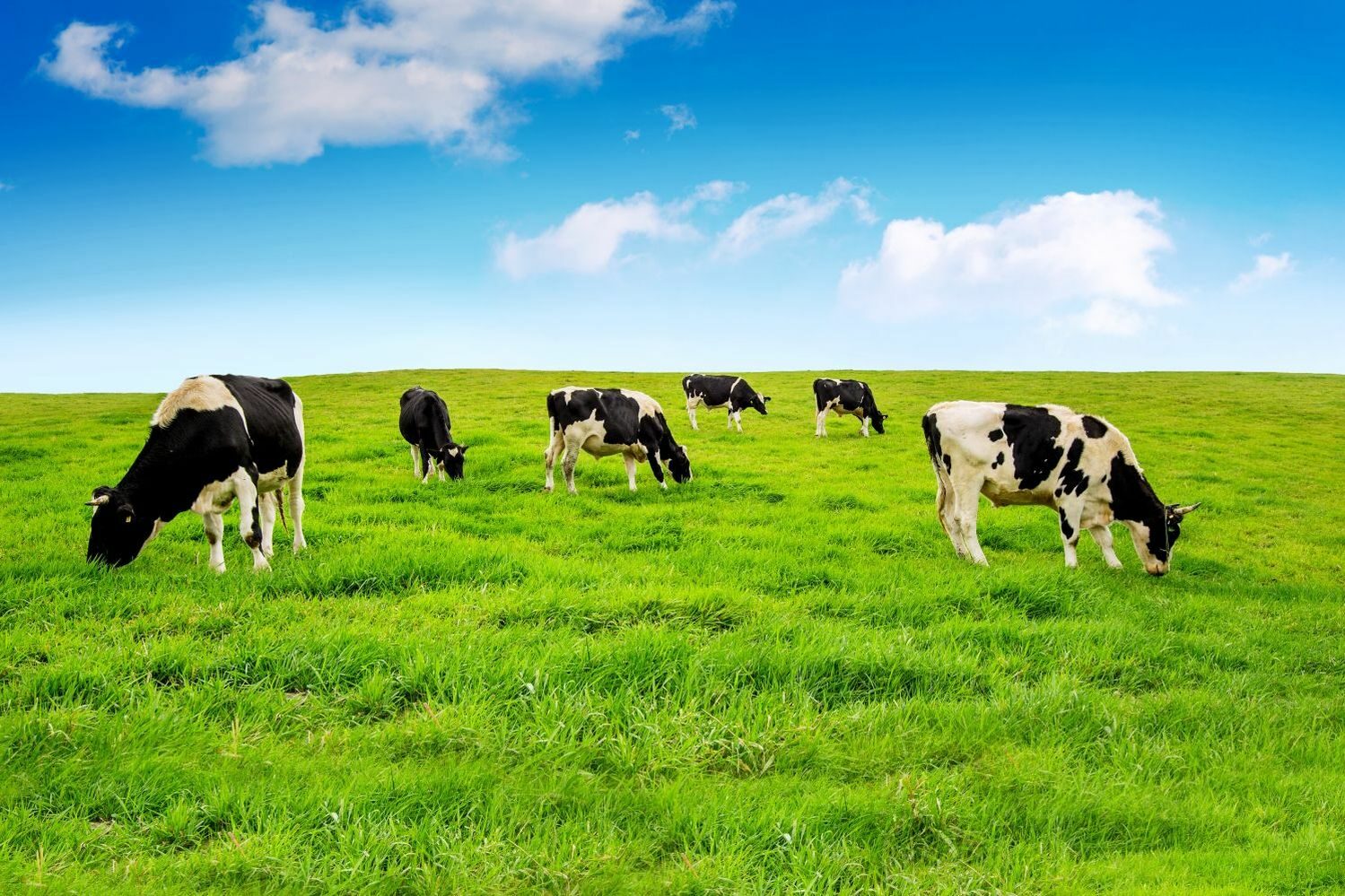
Regenerative Agriculture Diploma
- This Regenerative Agriculture Graduate Diploma from Thompson Rivers University allows you to gain practical experience on farms or ranches of…
This Regenerative Agriculture Graduate Diploma from Thompson Rivers University allows you to gain practical experience on farms or ranches of your choice, learning hands on skills for the enterprises you are interested in pursuing.
-
-
-
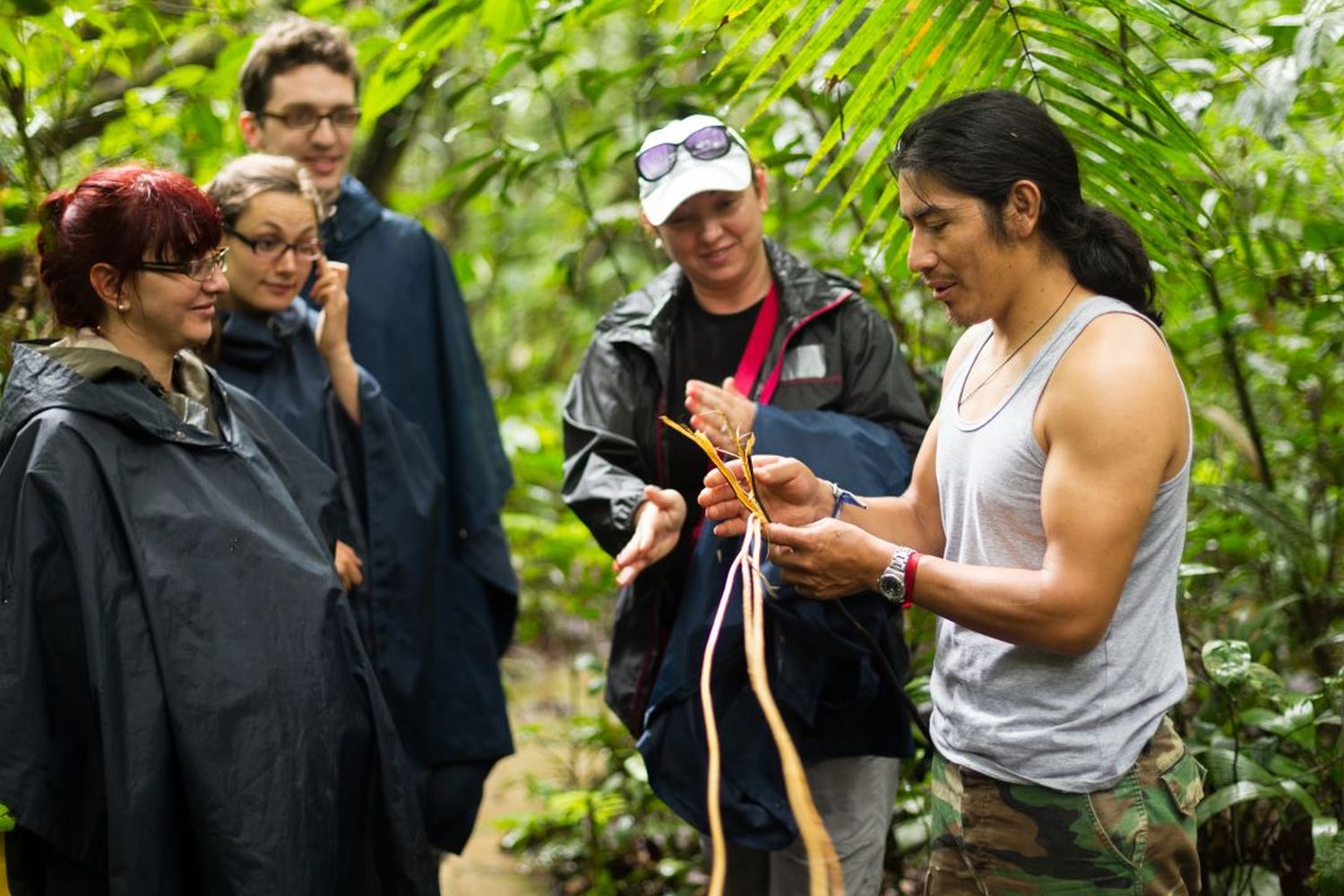
Adventure Guide Diploma
- Setting the standard around the world for a broad spectrum of wilderness guide training, this Adventure Guide Diploma at Thompson…
Setting the standard around the world for a broad spectrum of wilderness guide training, this Adventure Guide Diploma at Thompson Rivers University will prepare you for exciting leadership positions in outdoor skills instruction and guiding.
-
-
-

Accounting Technician Diploma
- Develop the skills to become an accounting para-professional working alongside professional accountants in industry and public practice with this Accounting…
Develop the skills to become an accounting para-professional working alongside professional accountants in industry and public practice with this Accounting Technician program at Thompson Rivers University.
-